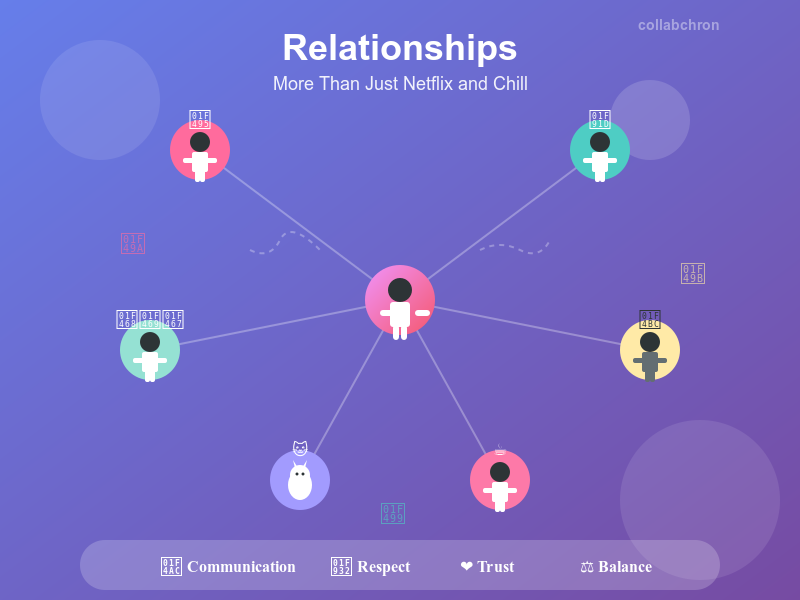
Relationships are at the heart of our lives. Whether romantic, familial, platonic, or professional, they shape our experiences, emotions, and growth. A strong relationship offers support, joy, and companionship, helping us thrive both personally and socially.
But relationships aren’t always easy. They require effort, understanding, and commitment. This guide explores the foundations of healthy relationships and provides actionable tips to nurture and strengthen them.
The Foundation of Every Relationship
Trust and Honesty
Trust is the cornerstone of any strong relationship. Without it, even the most passionate connections can crumble. Honesty helps build trust by creating a safe space where individuals can be their authentic selves without fear of judgment or deceit.
Communication as the Key Pillar
Clear, open communication allows partners to express needs, solve conflicts, and deepen intimacy. Silence can breed misunderstanding, while dialogue fosters connection.
Setting Healthy Boundaries
Boundaries protect your individuality while allowing room for closeness. They ensure respect and prevent one-sidedness in emotional or physical involvement.
Different Types of Relationships
Understanding the various types of relationships helps in setting appropriate expectations and navigating each with clarity:
Romantic Relationships: Built on emotional intimacy, attraction, and shared goals.
Platonic Friendships: Focused on mutual respect, shared interests, and support.
Family Ties: Deeply rooted in unconditional love and lifelong connection.
Professional Relationships: Centered around collaboration, respect, and communication.
Communication Skills That Transform Relationships
Active Listening
Listening isn’t just about hearing—it’s about understanding. Active listeners pay attention, ask questions, and show empathy.
Expressing Feelings Without Blame
Using "I feel" statements rather than accusatory language helps avoid defensiveness and encourages honest dialogue.
Conflict Resolution Techniques
Healthy relationships don’t avoid conflict—they resolve it. Stay calm, focus on the issue, and seek a win-win outcome.
The Role of Emotional Intelligence
Understanding Your Own Emotions
Self-awareness helps prevent overreactions and miscommunications. Knowing how you feel—and why—makes a big difference.
Empathy and Understanding Others
Being able to recognize and validate your partner’s emotions builds emotional intimacy and trust.
Regulating Emotions in Tough Situations
Stay grounded during disagreements by managing stress and refraining from impulsive responses.
Signs of a Healthy Relationship
Here are telltale signs your relationship is on solid ground:
Healthy Sign | What It Looks Like |
|---|---|
Mutual Respect | Valuing each other’s opinions and space |
Open Communication | Talking honestly about feelings and needs |
Shared Goals and Values | Aligned on life priorities and decisions |
Emotional and Physical Safety | Feeling secure and cared for |
Individual Growth Allowed | Supporting each other's ambitions |
Common Relationship Challenges
Every relationship faces bumps in the road:
Miscommunication: Misunderstood intentions can lead to unnecessary tension.
Jealousy and Insecurity: These often stem from unresolved personal fears.
Trust Issues: Past traumas or betrayals may linger without open conversations.
Understanding the root causes can lead to better solutions and deeper connection.
How to Strengthen Relationships Over Time
Quality Time: Prioritize undistracted time together.
Celebrate Milestones: Recognize anniversaries and achievements.
Practice Forgiveness: Let go of grudges to move forward.
Investing in your relationship daily yields long-term rewards.
Toxic Relationships and When to Let Go
Recognizing toxicity can be painful but essential:
Red Flags: Manipulation, disrespect, constant criticism.
Emotional Abuse: Gaslighting, control, and blame-shifting.
Taking Action: Seek support, make a plan, and protect your mental health.
Letting go isn't failure—it’s self-care.
Digital Age and Modern Relationships
Technology has redefined how we connect:
Social Media: Can fuel comparison and jealousy if not handled mindfully.
Online Dating: Offers access but demands caution and honesty.
Long-Distance Love: Can thrive with effort, planning, and digital intimacy.
Relationship Advice for Couples
Emotional Intimacy: Share feelings regularly, not just facts.
Handle Finances Together: Transparency reduces future conflict.
Keep Romance Alive: Small gestures—like notes or hugs—matter.
Love grows in the everyday moments.
Self-Love and Its Impact on Relationships
Self-love isn’t selfish—it’s foundational.
Why It Matters: Those who value themselves attract healthy partners.
Boost Self-Worth: Practice gratitude, pursue passions, and affirm your strengths.
Avoiding Codependency: Stay whole without needing someone else to “complete” you.
Relationship Growth and Development
Life Stages: Adapt together through changes like parenthood or career shifts.
Therapy and Coaching: A proactive step toward deeper connection.
Learning Together: Read books, attend workshops, or simply talk more intentionally.
Growth means evolving with—not away from—each other.
The Science Behind Love and Attachment
Understanding love helps deepen it:
Attachment Styles: Secure, anxious, avoidant—know yours.
Love Hormones: Oxytocin and dopamine influence bonding.
Psychology of Attraction: Similarity, proximity, and shared goals play major roles.
Frequently Asked Questions About Relationships
Q1. How can I build trust in a relationship?
Start with honesty, follow through on promises, and communicate openly.
Q2. What are some signs of an unhealthy relationship?
Constant criticism, lack of respect, manipulation, or fear of being honest.
Q3. How do I fix communication issues with my partner?
Practice active listening, avoid blaming, and schedule calm discussions.
Q4. Can a relationship survive infidelity?
Yes, but it requires deep healing, forgiveness, and often professional help.
Q5. What should I do if I feel emotionally disconnected?
Talk openly, plan meaningful time together, and seek counseling if needed.
Q6. Is it okay to take a break in a relationship?
Yes, if both partners agree and set clear boundaries during the break.
Conclusion
Strong, fulfilling relationships don’t happen by accident—they're built with trust, time, effort, and love. By understanding the dynamics of relationships, improving communication, and growing emotionally, you create bonds that not only last but also flourish.
Nurture your relationships, and they’ll nurture you in return.
.jpg?alt=media&token=4136fdae-d60e-4737-a4cb-54894f78561b)